Founder Story: Clayton Christopher, Sweet Leaf Tea
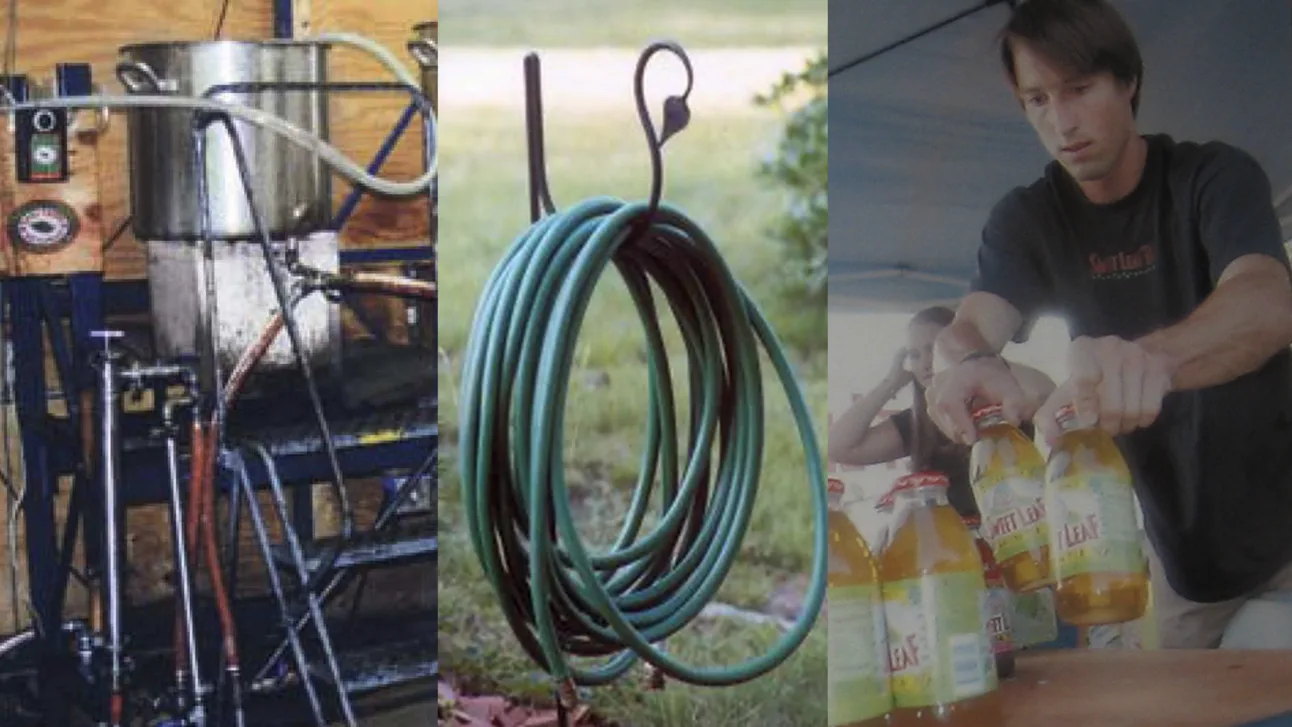
The 9-figure Brand Created in Crawfish Pots, Pillow Cases, & Garden Hoses
By Lyn Graft · Issue #22 · · 5 min read
One entrepreneur I’ve filmed more than a dozen times as a producer is Clayton Christopher, founder of Sweet Leaf Tea, Deep Eddy Vodka, and CAVU Ventures. If anyone understands the consumer packaged goods space, it’s Clayton. And with two 9-figure exits under his belt, you can bet he knows how to tell a great story, and live one. :-)
Founder Story: Clayton Christopher, Sweet Leaf Tea
Clayton got his start in the family’s medical supply business in Texas, where he learned the basics of sales and hard work. But corporate life wasn’t for him. Seeking adventure, he left to race as an amateur cyclist on the U.S. Pro Tour, only to realize it wasn’t a sustainable way to make a living.
Determined to simplify his life, he sold nearly everything he owned and moved onto a sailboat in the Florida Keys, launching a small boat charter business to live what he thought would be a dream.
He soon discovered that Life as a captain was idyllic but not lucrative, so he started thinking about other businesses he could do. It was during his downtime, road-tripping through the Southeast, that Clayton had a pivotal realization.
Every mom-and-pop restaurant he visited in Alabama and Mississippi served sweet tea that reminded him of the tea his grandmother Mimi used to make, simple, homemade, and unforgettable.
But no bottled tea on the market came close to that taste. Inspired, Clayton decided to find a way to bottle his grandmother’s tea and sell it to the masses.
Armed with $10,000 and Mimi’s recipe, Clayton returned to Texas to launch Sweet Leaf Tea with his buddy David Smith without any knowledge of the beverage industry or any idea of how to sell a product to consumers at volume.
In the early days, their operation was scrappy and homespun. They brewed tea in crawfish pots, filtered it through pillowcases and pantyhose, and used garden hoses to fill each bottle by hand.
Every time they shared their story, whether with customers, retailers, or investors, they made sure to emphasize the handcrafted, homemade nature of their tea.
That story became their brand’s calling card and was even printed on their bottles, turning each one into a billboard for their story.
As they started to sell beyond their friends, they ‘scaled’ they had to buy a Black & Decker drill to put a cap on each bottle because their hands were cramping, and bought an old van with 300,000 miles on it to buy supplies and make deliveries to every mom and pop store in their town.
The learning curve was steep. Clayton hadn’t anticipated the challenges of working with retailers, broker fees, slotting fees, and promotional costs were all new to him. But he kept pitching his story, rooted in the nostalgic charm of homemade tea and the authenticity of his grandmother’s recipe.
Slowly, local stores began to stock Sweet Leaf Tea, and Clayton took every opportunity to connect directly with customers. He and his team did in-store demos, handed out samples at running events, outdoor gatherings, and music festivals, anywhere they could get in.
He knew that once people heard their story and got his homemade southern sweet tea “past their lips”, they would be hooked.
One of Clayton’s biggest hurdles was breaking into Whole Foods. Based in Austin, where Sweet Leaf Tea was also headquartered, Whole Foods seemed like a natural fit. Yet years of phone calls and a rejection letter yielded no progress.
Undeterred, Clayton and his partner David doubled down seeing if there was a way to reach someone there. Eventually, they connected with the buyer for their category and convinced them to give Sweet Leaf a chance.
Getting Sweet Leaf Tea into Whole Foods was one of the most important things that happened to the company. Within six months, they became the number one tea in the Whole Foods Southwest Division, and eventually, they went on to become a national brand that can be found in all fifty states, in more than ten thousand retail stores.
In a few years, Sweet Leaf Tea became one of the fastest-growing beverage companies in the United States, with sales over $80 million and was eventually acquired by Nestlé for a nine-figure sum.
Storytelling Lessons:
From crafting a relatable narrative around his grandmother’s recipe to leveraging that story in every pitch and marketing effort, Clayton understood the value of connecting with his audience, relating it to different audiences, and creating a movement.
Here are 3 storytelling lessons that every founder can learn from his journey.
Assemble The Best Parts To Create An Authentic Story
Clayton’s story of brewing tea in crawfish pots and filtering it with pillowcases wasn’t just charming, it was authentic. By sharing real, imperfect details of his process, he invited customers to trust him and his brand. Authentic stories resonate because they are relatable and human.
Lean into their unique experiences and imperfections to craft narratives that feel genuine and approachable.
Tailor Your Story To Different Audiences
Clayton mastered the art of tailoring his story. For consumers, he shared the nostalgic tale of his grandmother’s tea. For investors, he focused on the untapped market opportunity for homemade-style tea. For journalists, he offered a colorful narrative filled with DIY ingenuity.
Select the parts of your story that relate to different audiences and practice sharing with these different individuals and groups to see how they respond.
Create A Movement, Not Just A Brand
Sweet Leaf Tea wasn’t just a product; it was a story people wanted to share. From the folksy branding to in-person sampling at festivals, Clayton built a sense of community and excitement around his tea.
Founders should think beyond their product to create an experience or movement that customers feel part of. A compelling story becomes a shared story when people are excited to pass it along.
Clayton Christopher’s journey shows that storytelling is as critical to a brand’s success as the product itself. By staying authentic, tailoring his message, and creating a movement, Clayton didn’t just sell tea, he sold a story that customers, investors, and partners couldn’t resist. Founders who embrace these lessons can build narratives that inspire action and drive growth.
Fun Fact: Facts Inform. Stories Sell.
Stories engage 65-70% of the brain, while facts activate just 5-10% (The Storytelling Animal). That’s why storytelling is a game-changer in sales and marketing.
Clayton Christopher used this to build Sweet Leaf Tea. Instead of just selling tea, he shared the story of brewing it in crawfish pots and using his grandmother’s recipe.
That made his brand unforgettable
Video to Watch:
An analogy I have seen Clayton share centers on how a bike race he entered in the mountains of New Mexico is like a startup in that it its important to keep pushing through hard times.
Analogies such as these enable Clayton to reach the listener in a way that captures their imagination and connects with them on an emotional level. Stories are a way to transport someone’s imagination to a place.
Clayton Christopher, Founder of Sweet Leaf Tea - One Foot
This is "Clayton Christopher, Founder of Sweet Leaf Tea - One Foot" by Lyn Graft - LG on Vimeo, the home for high quality videos and the people who love them.
vimeo.com/57627873
Have questions or feedback? We'd love to hear. Just reply back to this message and someone from the SOFE team will respond.
This story first went out as Issue #22 of the Storytelling for Entrepreneurs newsletter on March 11, 2025. Read the original issue.