Founder Story: Neil Blumenthal, Warby Parker
One Lost Pair of Glasses. 20 Million Donated. $770M Later...
By Lyn Graft · Issue #36 · · 5 min read

Neil Blumenthal wanted to change the world, he just didn’t expect to do it through glasses.
But sometimes, the fastest path to impact isn’t through policy or protest, it’s through a product. One that solves a real problem, delights customers, and bakes in purpose from day one.
Founder Story: Neil Blumenthal. Warby Parker
Neil Blumenthal was one of those people who wanted to do good in the world.
The kind that believed deeply in fixing the root problems. So when it came time for college, he chose Tufts, a school known for its global affairs and international relations programs.
After graduating, Neil traveled extensively and immersed himself in international conflict work. He believed war was the biggest obstacle to human progress. If we could resolve war, we could unlock progress in education, health, and poverty.
To help him do that, he went to The Hague in the Netherlands, one of the most respected organizations in the field, where he studied and interned in negotiation and conflict resolution.
But soon, he started feeling stuck. His ideals were colliding with bureaucracy. The pace of change was glacial, and his impact felt distant and diluted.
“I just wasn’t seeing the direct impact. I wanted to create change now.”
That’s when he crossed paths with a visionary eye doctor trying to sell glasses in low-income communities. This doctor was part of a nonprofit called VisionSpring, which trained local women to sell affordable eyeglasses.
The strategy wasn’t just about vision; it was about jobs, dignity, and immediate transformation.
Neil was hooked and soon left The Hague and joined VisionSpring, helping bring vision to people in developing countries. Even though eyeglasses had been around for over 800 years, over a billion people still didn’t have access to them.
Neil saw how this simple tool, something most of us take for granted, could completely change lives.
He watched women who had earned $4 a day transform their livelihoods by selling glasses.
He saw customers go from struggling to work or read to being fully productive again. Some saw income increases of 20 to 35 percent, that’s like earning an extra day’s wages every week.
He also discovered two things:
Glasses were cheap to make
But if they were ugly, people wouldn’t wear them.
He started visiting factories, learning the ins and outs of design and manufacturing. But he wanted to do more, he wanted to build an organization around this mission.
But Neil didn’t just want to distribute better glasses, he wanted to build an organization rooted in purpose, design, and customer experience.
After five years at VisionSpring, he enrolled in Wharton’s MBA program to learn how to build a truly customer-centric, mission-driven company.
There, he met Andy Hunt, David Gilboa, and Jeffrey Raider. Over lunch and late-night class projects, they began trading startup ideas.
That’s when one idea became clear (pun intended).
David had just returned from Thailand, where he lost his $700 glasses and couldn’t afford to replace them. He spent the semester half-blind. Jeff’s glasses were broken, but expensive to fix. Neil had spent years making eyewear affordable worldwide.
What if they cut out the middleman, designed stylish frames, and sold them online, for a fraction of the cost?
That semester, Warby Parker was born.
They would offer stylish prescription glasses for $95 instead of $500, and build a mission-driven brand in the process. (click here to see how the decided on the $95 price)
Inspired by TOMS, they created the “Buy a Pair, Give a Pair” model: For every pair sold, a pair would be distributed to someone in need, through VisionSpring.
They wanted the brand to feel like a fashion label, not a discount site. So they named it Warby Parker, pulling from two characters in Jack Kerouac’s journals.
Within three weeks of their launch, they hit their first-year sales goals. Their top 15 styles sold out in four weeks. A waitlist of 20,000 people formed overnight. They were skipping classes just to take customer service calls.
By selling online, keeping design in-house, and telling a powerful story, Warby Parker disrupted the big eyewear giants who’d monopolized the market for decades.
Today, Warby Parker has 280 stores that generate $770 million per year, serving over 2.5 million active customers. Their One-for-One model, “Buy a Pair, Give a Pair” program, has distributed over 20 million pairs of glasses to people in need around the world.
Storytelling Lesson:
Neil Blumenthal didn’t just build a billion-dollar brand; he built it with purpose, clarity, and customer obsession. Founders looking to sharpen their own story can take these three key lessons from Neil’s journey to apply to not only their story but to grow their business and brand.
Turn Interactions Into Memorable Moments
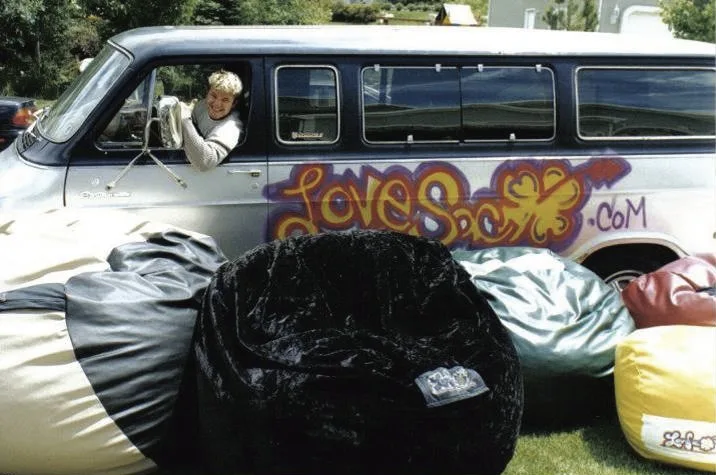
Warby Parker didn’t launch with a storefront, just a dining table in Neil’s apartment. But when early customers wanted to “visit,” Neil said yes. Watching the team work in real-time made those customers feel part of something bigger and turned them into loyal fans. From video replies to their now-famous Home Try-On kit and a yellow school bus turned mobile shop, Warby Parker made every brand touchpoint an experience worth sharing.
Create human moments at every step. Surprise customers. Let your brand feel personal, approachable, and story-worthy. Small details = big loyalty.
Solve the Problem Customers Actually Care About
Warby Parker prioritized what customers really wanted: great-looking glasses. Their messaging leads with style, then price, then service, and then their mission. They skipped offering bifocals and prescription sunglasses at launch because they weren’t ready to do them well.
Get crystal clear on your customer’s top priorities. Focus on what matters most, and deliver with excellence. Let that clarity drive your product and your positioning.
Know Your Why - And Build It In
Neil didn’t bolt on a mission; he built around it. The “Buy a Pair, Give a Pair” model wasn’t marketing fluff. It was baked into the business from the beginning. But he also knew: customers won’t care about your why unless you first meet their needs.
Start with passion, but ground it in action. Weave your purpose into how you operate, not just what you say. When your why supports their what, you build something lasting, and deeply story-worthy.
Fun Fact:
Research by World Economic Forum shows that correcting vision with glasses can boost worker productivity by up to 34% and significantly improve long-term educational outcomes for children.
Neil Blumenthal saw this impact firsthand during his time at VisionSpring, which inspired Warby Parker’s “Buy a Pair, Give a Pair” program. From day one, Neil and his co-founders embedded social good into their business model, not as a marketing tactic, but as the company’s why.
Video to Watch: Revolutionizing Doing Good
In this insightful talk, Warby Parker co-founder Neil Blumenthal shares how values-driven companies aren’t just good for the world, they’re good business. Titled “Do Good – A Business Revolution,” the video explores three major trends reshaping the business landscape and offers practical wisdom on how founders can align purpose with profit.
As Neil says, “Great companies have always been value-driven, but what we value has changed.”
This is a must-watch for any entrepreneur who believes brands shouldn’t just sell, they should serve.
This story first went out as Issue #36 of the Storytelling for Entrepreneurs newsletter on June 17, 2025. Read the original issue.